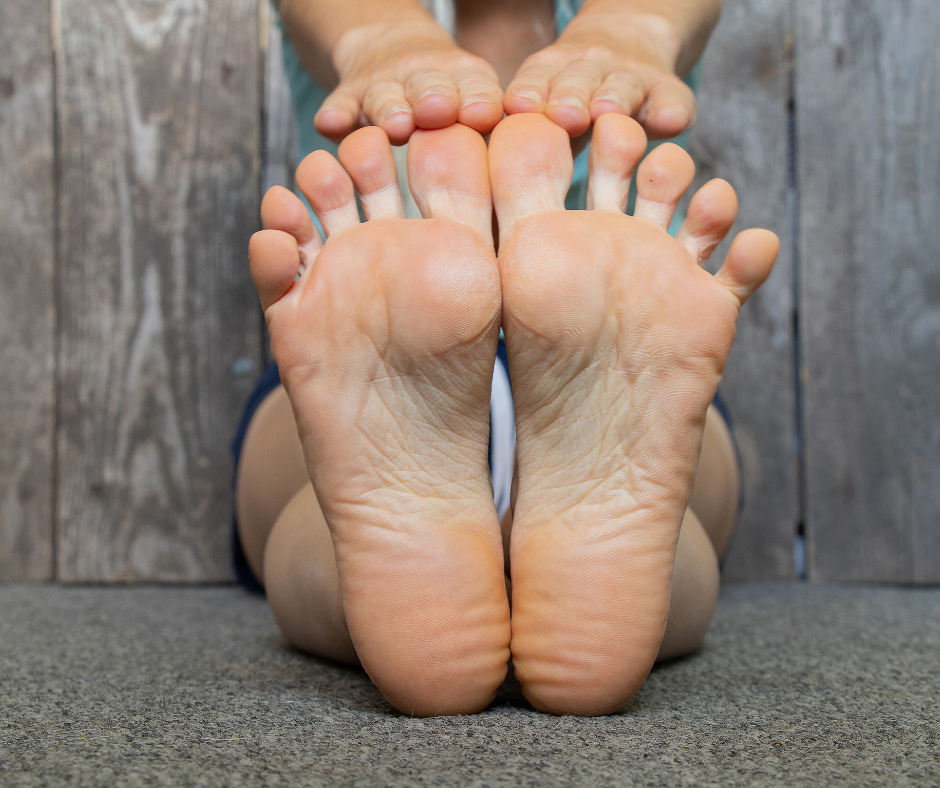
Diabetes is often associated with numbness, wounds, and slow healing, but it can also contribute to structural changes in the feet. These changes may affect balance, shoe fit, and how pressure is distributed while walking. During Diabetes Awareness Month, Goldsmith Podiatry in Manhattan explains why changes in foot shape should not be overlooked.
Read MoreYour toes keep catching on the ground, one foot seems to slap down with each step, or you find yourself lifting one knee unusually high to clear the floor. These changes may indicate foot drop, a problem that makes it difficult to lift the front of the foot.
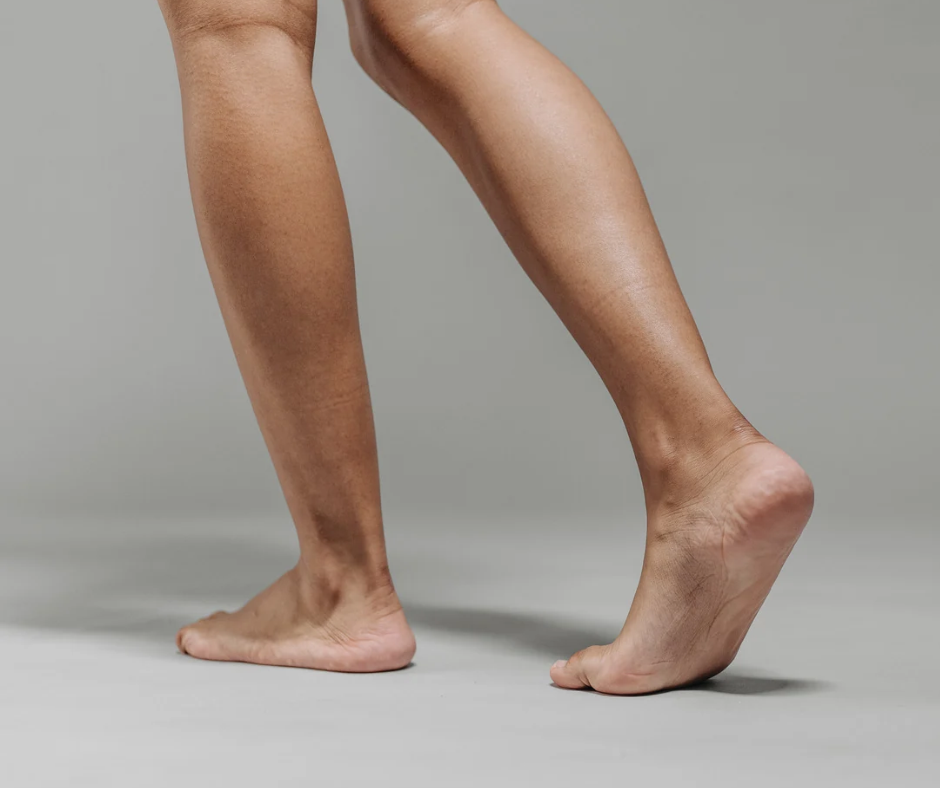
Read MoreYour bunion may have seemed quieter during sandal season. Then you return to closed-toe shoes, and the familiar redness, pressure, or aching comes back. The cooler weather did not necessarily change the bunion itself. Your fall footwear may simply be placing more pressure on it.
Read MoreThe bottoms of your shoes keep a record of everywhere you have walked, but they may also reveal something about how you walk. If one heel wears down much faster than the other or a particular section of the sole becomes noticeably thin, your gait may be distributing pressure unevenly.
Read MoreYour laptop, water bottle, chargers, lunch, and “just in case” extras may not seem heavy individually. Put them all in one commuter bag, however, and your daily walk through Manhattan can become an unexpected workout for your feet and ankles.
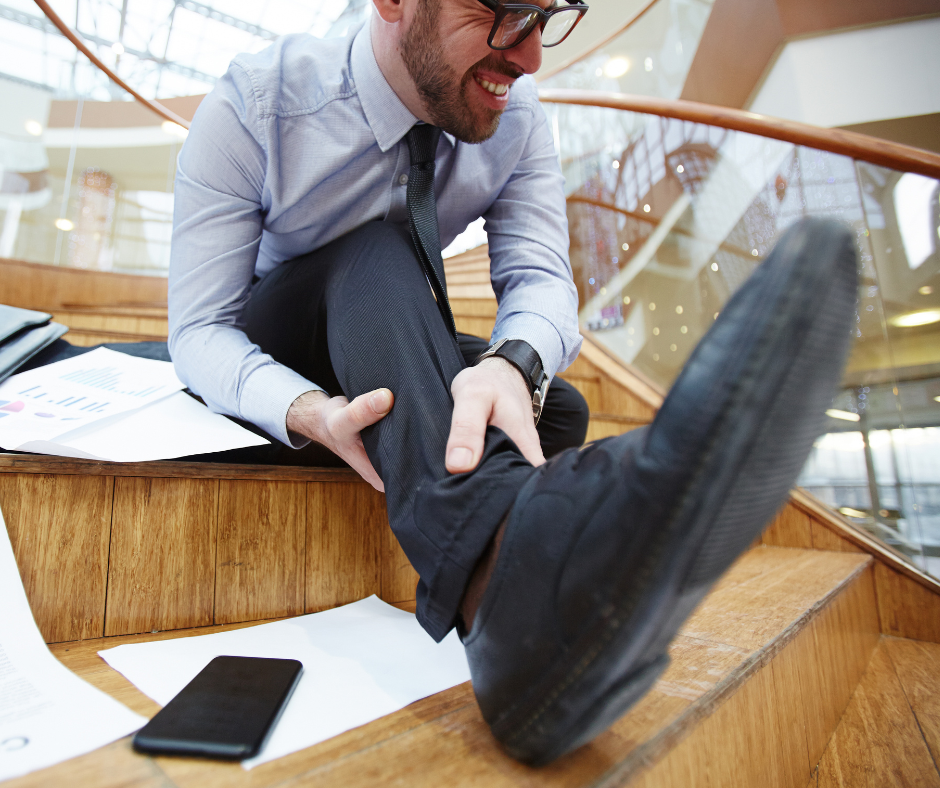
Read MoreA subway staircase does not look like exercise equipment, but your feet may disagree after a day of navigating stations across New York City. Climbing and descending stairs repeatedly can place added demand on the muscles, tendons, joints, and ligaments that support your feet and ankles.
Read MoreWhen you are following a marathon training plan, tired legs and occasional soreness may feel like part of the deal. But there is a difference between muscles adjusting to increased mileage and pain signaling that something is wrong.
Read MoreSeptember is an important time to focus on fall prevention, especially for older adults. At Goldsmith Podiatry in Manhattan, we know foot health can affect balance, stability, and confidence while walking. Addressing pain, numbness, and other foot problems may help reduce factors that can make a fall more likely.
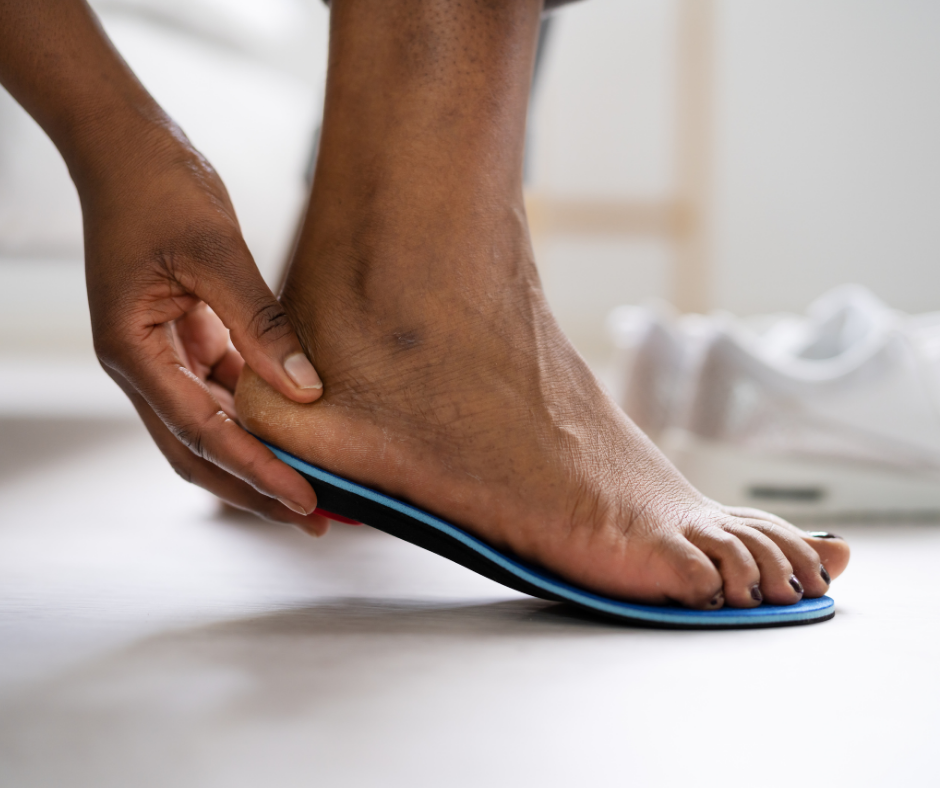
Read MoreCustom orthotics are designed for your feet, but they are not meant to last forever. Over time, the materials can wear down, your activity level can change, and how you walk may shift. Knowing when to replace your custom orthotics can help you continue getting the support they were prescribed to provide.
Read MoreThe feeling that you are walking on a pebble may not come from anything inside your shoe. Pain beneath the second toe can signal a plantar plate tear, an injury that may gradually affect the toe’s stability and alignment.
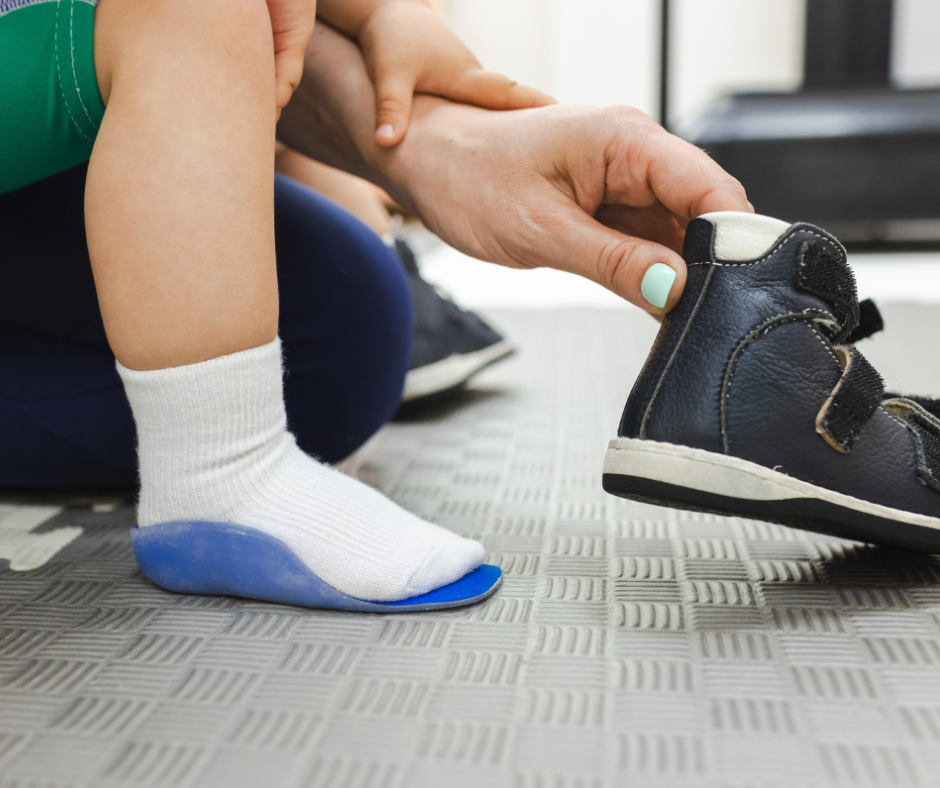
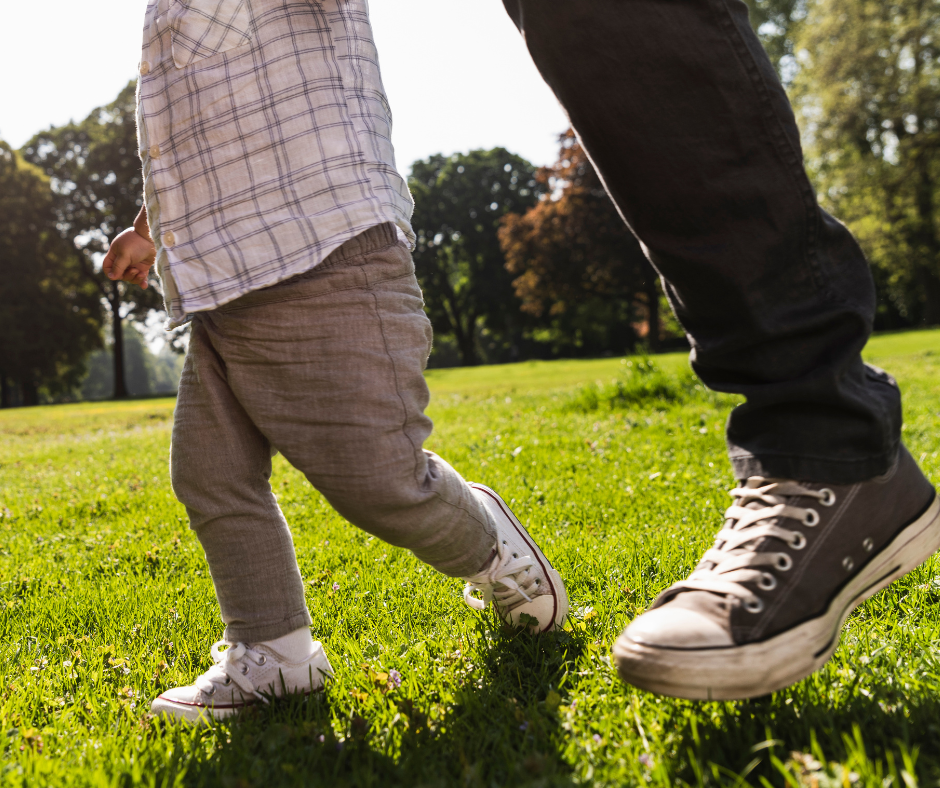
Read MoreKids are constantly on the move: running, jumping, climbing, and playing. While it's normal for children to experience the occasional bump or bruise, ongoing foot, ankle, or leg discomfort isn't something they should simply "grow out of." In many cases, custom orthotics can provide the support growing feet need to move more comfortably and develop properly.
Read MoreStress affects far more than your mood. When the body is under physical or emotional stress, it can create symptoms in unexpected places, including your feet. Many people are surprised to learn that stress and anxiety may contribute to foot pain, tingling, muscle tension, or even burning sensations in the feet.
Read MoreIf you’ve noticed your toddler or school-aged child constantly walking on their tiptoes, you might think it’s just a phase. While many kids do go through a brief period of toe walking when they are first learning to navigate the world, it can become a concern if it persists past the age of two.
Read MoreIf your child is suddenly complaining that their feet hurt after a soccer game, or if you notice them sitting out during recess, you might be feeling a bit worried. Arch pain in kids is surprisingly common, but it can be frustrating to figure out. Unlike adults who deal with years of wear and tear, our pediatric patients at Goldsmith Podiatry have rapidly changing bodies that present unique challenges.
Read MoreAt Goldsmith Podiatry, our patients have all kinds of job titles. But no matter what you do, your job has a significant impact on your feet. Whether you're constantly on the move or spending hours at a desk, that's why today, we're walking through every job type and how to keep your feet safe.
Read MoreFoot pain or poor posture? Discover how custom orthotics from Goldsmith Podiatry can improve alignment, relieve pain, and support your active lifestyle.
Read MoreEasily confused, corns and calluses have distinct causes, locations, and treatment methods. Goldsmith Podiatry helps you understand each for effective relief.
Read MoreGoldsmith Podiatry in Manhattan champions athletes' foot health with custom orthotics. Explore how they tackle plantar fasciitis, shin splints, and ankle sprains. Elevate your game, contact (212) 877 1002 for personalized care!
Read MoreProtect your feet from diabetes-related complications this November. Partner with Goldsmith Podiatry in Manhattan for expert care and prevention tips.
Read MoreCombat aging foot changes with Goldsmith Podiatry. Don't accept pain as inevitable. Visit us for expert care & tips to preserve your foot health.
Read More