
What Is Foot Drop, and Why Does It Affect Walking?
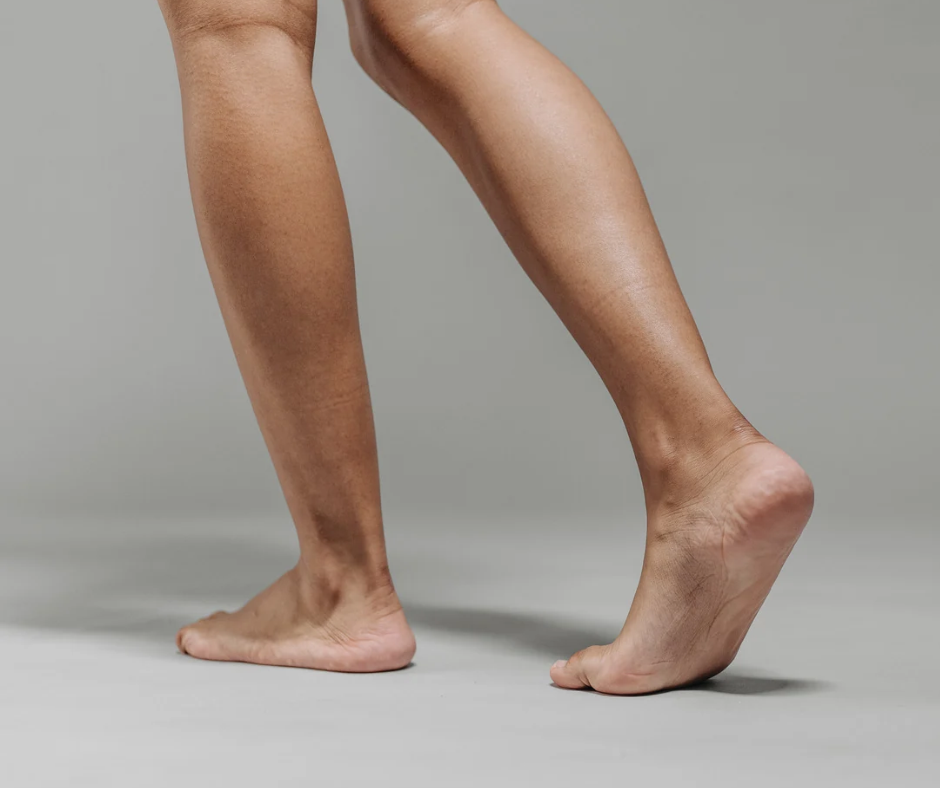
Your toes keep catching on the ground, one foot seems to slap down with each step, or you find yourself lifting one knee unusually high to clear the floor. These changes may indicate foot drop, a problem that makes it difficult to lift the front of the foot.
At Goldsmith Podiatry in Manhattan, we evaluate gait changes and foot or ankle weakness to help patients understand what is interfering with their walking.
Is Foot Drop a Medical Condition?
Foot drop is a symptom rather than a diagnosis by itself. It develops when the muscles responsible for lifting the front of the foot do not work normally. The problem may affect one or both feet and can range from temporary weakness to a longer-lasting impairment.
Possible causes include nerve compression or injury, muscle disorders, neurological conditions, or problems affecting the spine. Pressure on the peroneal nerve near the outside of the knee is one potential cause.
Because foot drop can have several origins, identifying the underlying problem is essential.
What Does Foot Drop Look and Feel Like?
Someone with foot drop may drag their toes or lift the knee higher than usual to prevent them from catching on the ground. This compensating movement is sometimes called a steppage gait.
Other signs may include:
● A slapping sound when the foot reaches the floor
● Weakness when lifting the toes
● Numbness along the shin or top of the foot
● Frequent tripping
● Difficulty walking on the heels
● One shoe wearing differently from the other
Foot drop can increase the risk of falling, particularly on stairs, curbs, thick carpeting, or uneven sidewalks.
How Is Foot Drop Treated?
Treatment depends on what is causing the weakness. A podiatrist may evaluate your strength, sensation, reflexes, footwear, and walking pattern. Additional testing or referral to another medical specialist may be necessary.
Depending on the findings, treatment may include physical therapy, strengthening exercises, a brace that supports the foot and ankle, nerve treatment, or surgery. Custom orthotics may help some patients improve alignment or stability, although they do not address every cause of foot drop.
Learn more about foot drop symptoms and possible causes and Goldsmith Podiatry’s approach to foot nerve problems.
A new or worsening change in the way you walk should not be ignored. Call Goldsmith Podiatry at (212) 877-1002 to schedule an evaluation with Dr. Howard Goldsmith, Dr. Rosanna Troia, or Dr. Kristina T. Ruff.