
The Hidden Foot Cost of Carrying a Heavy Commuter Bag
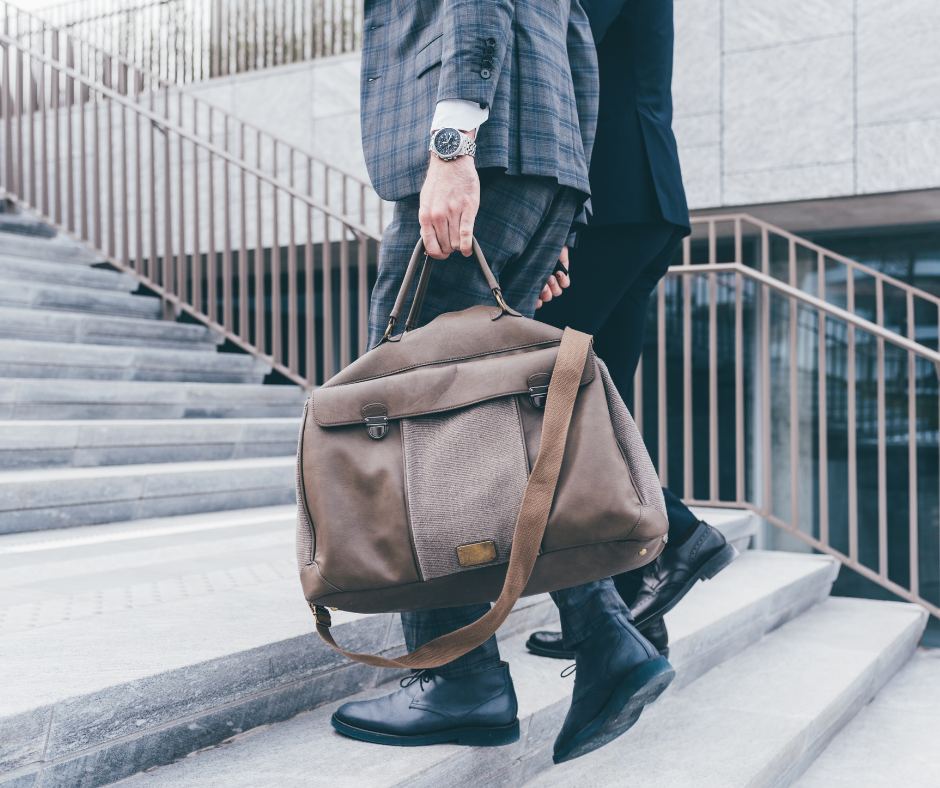
Your laptop, water bottle, chargers, lunch, and “just in case” extras may not seem heavy individually. Put them all in one commuter bag, however, and your daily walk through Manhattan can become an unexpected workout for your feet and ankles.
At Goldsmith Podiatry in Manhattan, we help patients understand how everyday habits may contribute to recurring foot and ankle discomfort.
How Can a Heavy Bag Affect Your Feet?
Your feet support your body and everything you carry. When a bag adds significant weight, your muscles and joints must work harder with each step. The effect may be more noticeable when you walk long distances, climb subway stairs, or stand throughout your commute.
A bag carried on one shoulder can also shift your weight unevenly. You may lean to one side, shorten your stride, or place more pressure on one foot without realizing it. Over time, these adjustments may contribute to:
● Arch or heel pain
● Soreness in the ball of the foot
● Ankle fatigue or instability
● Calf tightness
● Uneven shoe wear
● Discomfort in the knees, hips, or lower back
Is a Backpack Better Than a Shoulder Bag?
A backpack with two padded straps generally distributes weight more evenly than a tote, briefcase, or one-shoulder bag. Wear both straps and adjust them so the bag sits close to your back instead of hanging low.
Whatever style you use, remove items you do not need each day. If your commute includes a long walk, consider keeping duplicate chargers or other supplies at work. Bags with wheels may also help reduce the load, although they can be awkward on stairs and crowded sidewalks.
Supportive shoes matter, too. A heavy bag combined with worn-out soles, limited cushioning, or an unstable heel can make your feet work even harder.
When Should Commuter Foot Pain Be Evaluated?
Temporary fatigue may improve after you lighten your bag and rest. Schedule an evaluation if the pain keeps returning, affects one side more than the other, or changes the way you walk.
A podiatrist can assess your foot structure, gait, footwear, and areas of pressure. Depending on the cause, treatment may include shoe changes, stretches, activity adjustments, or custom orthotics designed to support the way you move.
Your commute already asks enough of your feet. If carrying your daily essentials is leaving them sore, Goldsmith Podiatry can identify the source of the discomfort and recommend an appropriate treatment plan. Schedule an appointment to discuss your concerns so Dr. Howard Goldsmith, Dr. Rosanna Troia, and Dr. Kristina T. Ruff can guide you in the right direction.