
What Does Uneven Wear on Your Shoes Say About Your Gait?
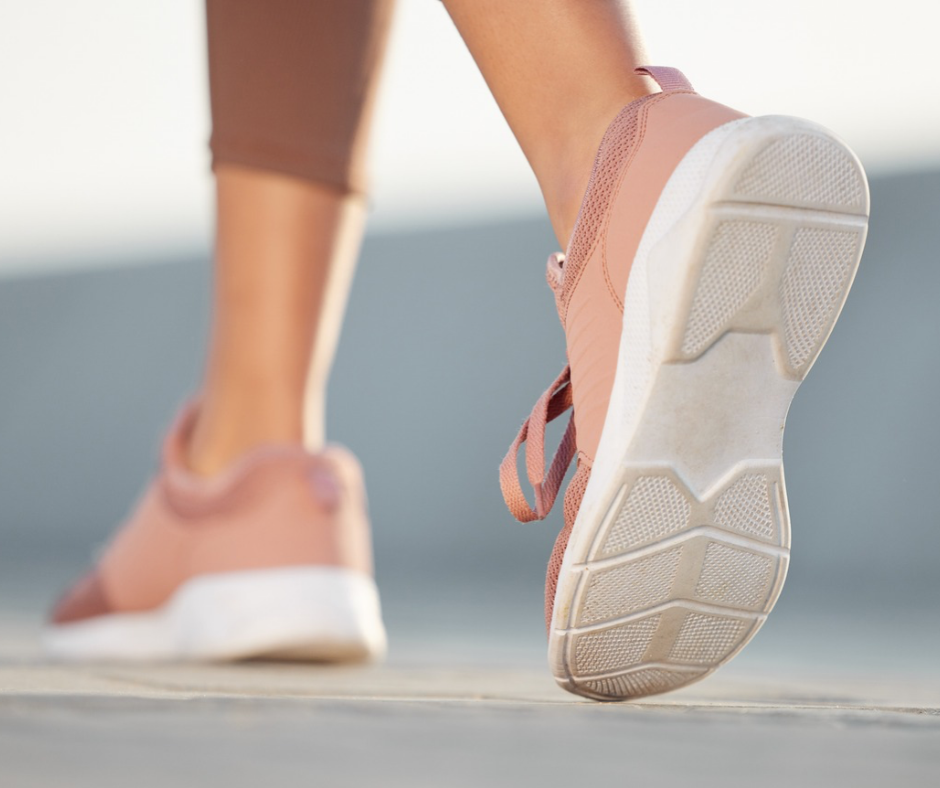
The bottoms of your shoes keep a record of everywhere you have walked, but they may also reveal something about how you walk. If one heel wears down much faster than the other or a particular section of the sole becomes noticeably thin, your gait may be distributing pressure unevenly.
At Goldsmith Podiatry in Manhattan, we help patients understand how foot structure and walking mechanics may contribute to uneven shoe wear and recurring discomfort.
Is Some Uneven Shoe Wear Normal?
Most shoes do not wear down perfectly evenly. Your stride, usual walking surfaces, activities, and the way a shoe is constructed can all affect its tread. Mild wear along the outer heel, for example, may occur as the foot first meets the ground.
More noticeable or rapidly developing differences deserve attention. Compare both shoes and look for:
● One heel wearing down faster than the other
● Excessive wear along the inner or outer edge
● A sole that tilts when placed on a flat surface
● One shoe becoming misshapen
● New wear patterns that were not present in previous pairs
What Can Cause an Uneven Wear Pattern?
Flat feet, high arches, differences in leg length, joint stiffness, muscle weakness, and previous injuries may influence how weight travels through your feet. Pain can also change your gait. You may shorten your stride or shift weight away from a sore area without realizing it.
Uneven wear can work in both directions: altered mechanics may wear down a shoe unevenly, while continuing to walk in a tilted or compressed shoe may reduce its support and contribute to discomfort.
When Should You See a Podiatrist?
Consider an evaluation if uneven shoe wear appears alongside recurring foot, ankle, knee, hip, or back pain. A change in balance, frequent ankle rolling, or the feeling that one leg moves differently also deserves attention.
Bring a frequently worn pair of shoes to your appointment. We can examine the tread, evaluate your gait, and assess your foot and ankle alignment. Depending on the findings, recommendations may include different footwear, exercises, treatment for an underlying condition, or custom orthotics.
Do not wait until the soles are smooth or visibly tilted to replace your shoes. Goldsmith Podiatry can help determine whether unusual wear is simply a sign that your shoes are old or part of a larger mechanical issue. Learn more aboutfoot and ankle pain or call (212) 877-1002 to schedule an appointment. Dr. Howard Goldsmith, Dr. Rosanna Troia, and Dr. Kristina T. Ruff can guide you in the right direction.