
Should Athletes Train in Snow?
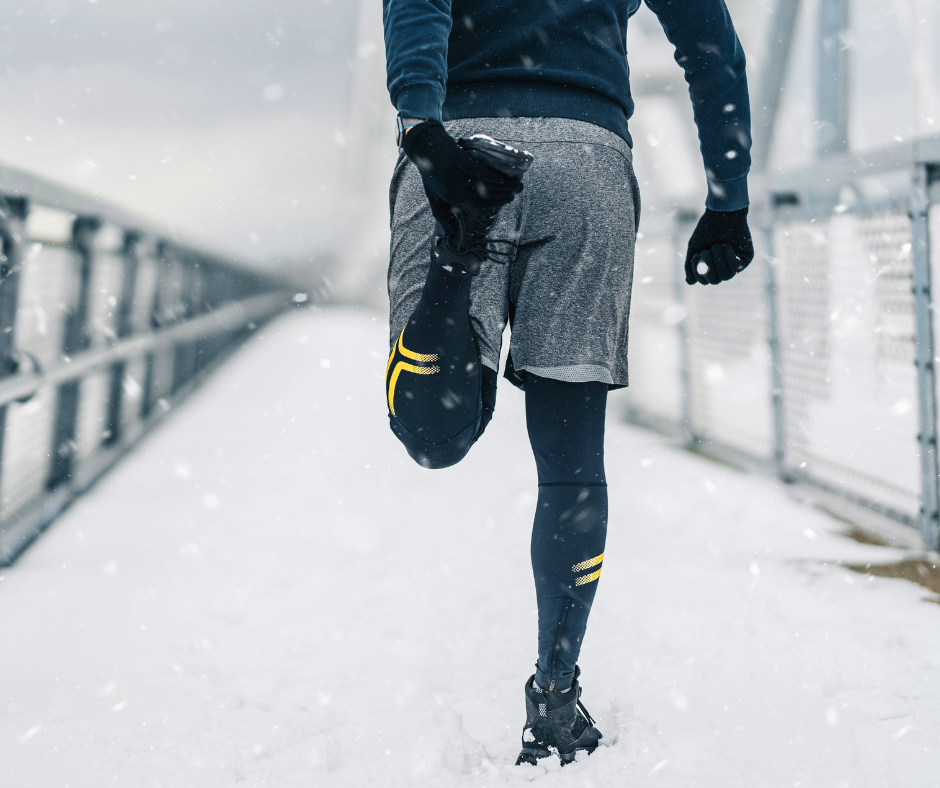
When the snow starts falling, the urge to channel an inner movie montage and go for a run in the white stuff gets real. But before lacing up those sneakers, it’s worth asking: is trudging through the snow a power move for fitness, or a fast track to a podiatrist’s chair at Goldsmith Podiatry? The answer is a bit of both. Snow training changes the physics of movement entirely, and it can either build a bulletproof foundation or snap a tendon depending on how it's approached. Here are the pros and cons of using the snow to get faster, quicker, and stronger.
The Upside: Snow As a Resistance Band
First, let's look at the benefits. Snow acts a lot like sand, which is a medium many pro athletes enjoy training in. Because the surface gives way underfoot, it provides a soft landing that reduces the high-impact shock on joints that you typically get from concrete.
More importantly, that shifting surface forces the intrinsic muscles, which are the tiny muscles deep inside the foot that support the arch, to engage fully. Every step requires the foot to grab the ground to find stability.
This turns a standard cardio session into a strength workout for the ankles. Not to mention, it fires up your stabilizer muscles in the lower leg to work overtime.
Do this correctly, and you come out of winter with ankles of steel.
The Downside: The Achilles
Now for the risky part. Deep snow is notorious for being hard on the Achilles tendon. When the foot sinks into soft powder, the heel often drops lower than the toes with every step. This creates a massive, repetitive stretch on the Achilles tendon and the calf muscles… much deeper than a normal stride on pavement.
Combine excessive stretching with freezing temperatures, which make tendons stiffer and less elastic, and the risk of an acute strain or a flare-up of tendonitis increases. It’s a heavy load for a cold tendon to carry.
A Hidden Foot Health Hazard to Snow Training
The other big issue is how snow changes running form. When the ground is slick or uneven, the brain subconsciously switches to survival mode. Stride length shortens, the body tenses up, and the toes curl inside the shoe to try and grip the ground.
This shuffling gait, combined with the constant fear of slipping on hidden ice under the snow, puts abnormal stress on the shins and the plantar fascia.
That’s why it’s very common to develop shin splints or arch cramping after a snowy run: simply because your feet were tense the entire time.
So, Should Athletes Train in the Snow?
Snow training can be helpful, but it demands respect. If heading out, use cleats that slip over sneakers to reduce the need for toe-gripping.
Also, warm up indoors first to get the tendons pliable, and maybe stick to plowed paths rather than deep drifts to save those Achilles tendons from overtime work.
If you’re looking for more foot care tips, give us a call at (212) 877 1002 so Dr. Howard Goldsmith, Dr. Rosanna Troia, and Dr. Kristina T. Ruff at Goldsmith Podiatry can help guide you in the right direction.