
4 Ways Winter Worsens Diabetic Wounds
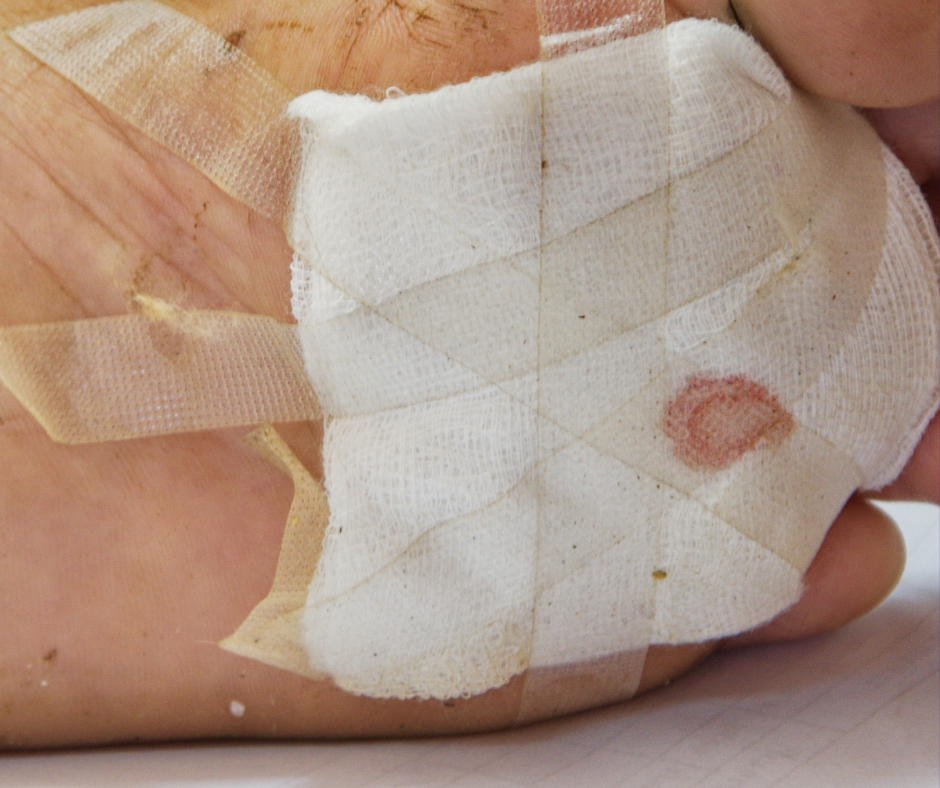
For anyone managing a diabetic foot ulcer or trying to prevent one, winter is simply a risk. The drop in temperature triggers physiological changes in the body that actively fight against the healing process. We at Goldsmith Podiatry are here to clear the (cold) air on what happens to your diabetic wounds, from circulation restriction to numbness and neuropathy.
Circulation
The biggest problem with cold air is what it does to blood vessels. When the body gets cold, it prioritizes keeping the heart and lungs warm. To do this, it triggers vasoconstriction, or the narrowing of blood vessels in the extremities, like the toes and feet.
For a diabetic wound to heal, it needs a highway of blood delivering oxygen, white blood cells, and nutrients. Cold weather effectively shuts down lanes on that highway.
If circulation is already compromised by diabetes or Peripheral Artery Disease, this added constriction can bring healing to a complete halt. The wound is essentially starved of the fuel it needs to close, and it is left vulnerable for longer.
Neuropathy
Neuropathy is already a major challenge for diabetics, which takes away the ability to feel pain or pressure. Cold weather acts as a numbness multiplier, so when you add environmental numbness to existing neuropathy, the foot loses all sensation.
This is dangerous because a patient might step on a rock, have a shoe rub a blister, or even suffer mild frostbite on the edges of an existing wound without feeling a thing. The body’s alarm system is completely silenced.
Dryness and Cracked Heels
Winter air is notoriously dry. It strips moisture from the skin and causes it to become brittle and crack. For a diabetic foot, these cracks are potential entry points for bacteria, which can lead to cellulitis or infect an existing ulcer.
Also, wounds need a moist environment to heal properly. The harsh, dry winter air can cause a wound bed to dry out, which kills the new, fragile cells trying to bridge the gap.
High Blood Sugar
Finally, the cold puts the body under physical stress. To keep warm, your metabolism works harder, which releases stress hormones like cortisol and adrenaline. These hormones can cause blood sugar levels to spike, and since high blood sugar thickens the blood and impairs the immune system’s ability to fight bacteria, this stress makes it even harder for the body to clear an infection.
Keeping wounds covered, keeping feet warm, and maintaining strict glucose control are the only ways to fight back against the freeze and keep the healing process on track.
If you’re looking for more foot care tips, give us a call at (212) 877 1002 so Dr. Howard Goldsmith, Dr. Rosanna Troia, and Dr. Kristina T. Ruff at Goldsmith Podiatry can help guide you in the right direction.