
How Chilly Weather Affects Your Feet While Running
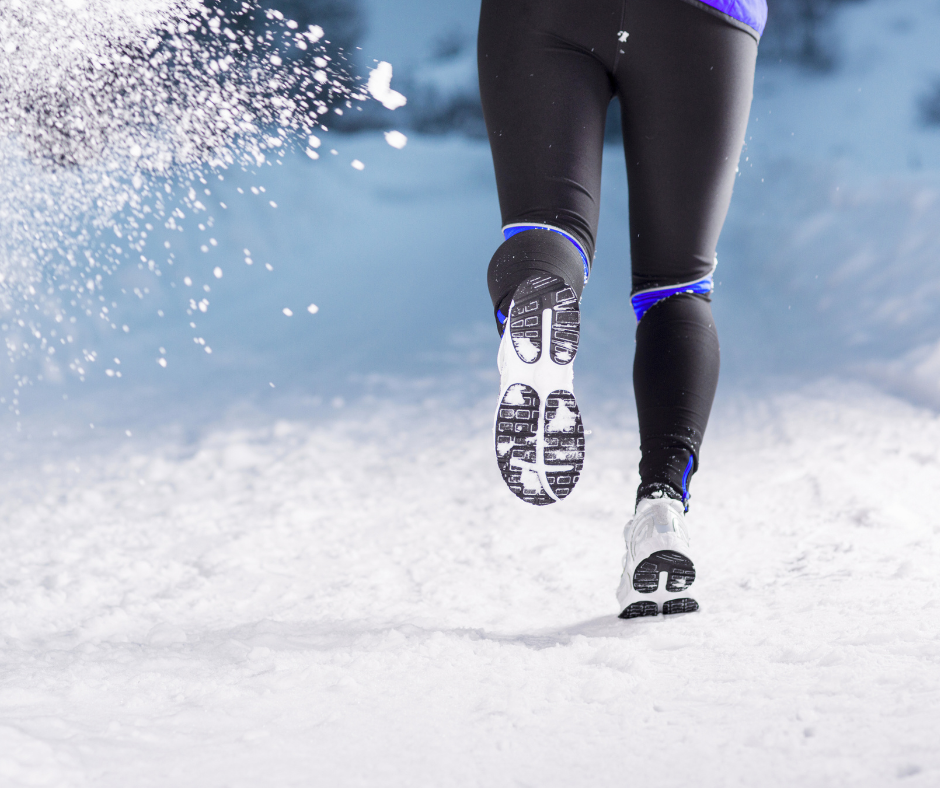
Running outdoors in the winter can be incredibly invigorating, but when the temperature drops, your feet and ankles face a whole new set of challenges. Is running in the cold actually riskier? To us at Goldsmith Podiatry, the answer isn’t a simple yes or no, but in this blog, we’ll outline some challenges that do put your feet at greater risk of injury.
Stiff Tissues
Your Achilles, for example, is like a rubber band. When it’s warm, it’s stretchy and pliable. But when it’s cold, it becomes stiff and less elastic.
This stiffness means your tissues are slower to contract and absorb impact. When you land on a cold tendon, it's more susceptible to microscopic tears and strains, which increases your risk of an acute injury like a calf strain.
The solution here is simple: your warm-up has to be longer and more thorough in the cold.
Stiff Joints
Arthritis hasn’t forgotten about you. When the muscles that support your arch get cold, they are much slower to warm up and remain stiff, which can lead to poor shock absorption and potential fatigue of the arch.
This stiffness can also exacerbate early stages of conditions like metatarsalgia or plantar fasciitis, because the foot loses its natural, springy cushion and transfers more impact directly to the bones.
Poor Circulation
When your body senses the cold, its natural survival mechanism is to pull blood away from your feet and shunt it toward your core. This reduced blood flow to your feet creates a few problems:
Out of balance: The nerves in your feet that help you sense the ground and maintain balance work slower when they’re cold. This means your foot is less reactive to an uneven surface, which increases your risk of an ankle sprain.
Masked Pain: Numbness from the cold can mask the early warning signs of an injury, like the dull ache of a developing stress fracture. You might accidentally push through a problem you would normally feel.
Poor Footwear
Winter running often means layering up… but when it comes to running, we don’t think twice about it. Yes, we’re talking about socks.
Wearing overly thick socks can compress your feet, especially if your shoes are already snug. This compression further cuts off circulation and can lead to friction and blistering.
That’s why we recommend wearing a good pair of moisture-wicking socks and ensuring your shoes have enough room to accommodate the sock without squeezing your forefoot (no matter how tempting it may be to bust out the wool).
Layers also apply to sneaker cushion and grip. Sidewalks are even less forgiving when they’re frosted over, and sprains from slipping are real risks.
Long story short: don’t feel bad about splurging on the best pair of On Clouds for the holidays!
If you’re looking for more foot care tips, give us a call at (212) 877 1002 so Dr. Howard Goldsmith, Dr. Rosanna Troia, and Dr. Kristina T. Ruff at Goldsmith Podiatry can help guide you in the right direction.