
Why Are Foot Blisters More Common in Summer?
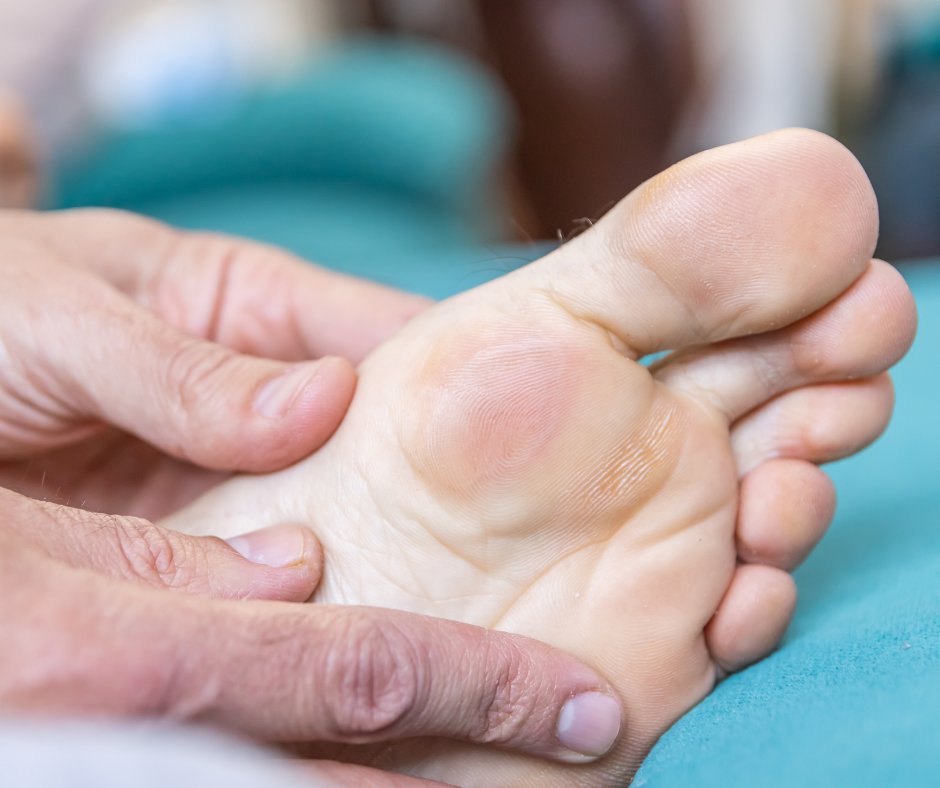
Hot weather can be hard on your feet, especially when heat, sweat, and increased activity come together. Foot blisters are more common in summer because moisture and friction make it easier for the skin to become irritated.
At Goldsmith Podiatry, we help patients throughout Manhattan address painful foot problems and keep their feet healthy through every season.
Why Does Summer Weather Increase the Risk of Blisters?
Blisters usually develop when repeated friction causes layers of skin to separate and fluid collects between them. In summer, sweaty feet can create more movement between your skin, socks, and shoes, increasing friction.
Long walks, vacations, outdoor activities, and wearing sandals or shoes that are not broken in can add to the problem. Goldsmith Podiatry’s guide to choosing the right summer footwear explains why picking shoes suited to the activity matters for comfort and foot health.
How Can You Help Prevent Foot Blisters?
● Wear shoes that fit properly and do not rub.
● Choose moisture-wicking socks to help keep feet dry.
● Change out of damp socks or shoes when possible.
● Break in new footwear gradually before wearing it for long periods.
● Use protective padding on areas that are commonly rubbed.
Goldsmith Podiatry also shares additional prevention and care tips in Blister Care 101.
Should You Pop a Foot Blister?
It is generally best to leave a blister intact rather than deliberately popping it, since the overlying skin helps protect the area. Keep the blister clean and covered with a protective bandage while avoiding the footwear or activity that caused the irritation.
If the blister opens on its own, gently clean the area and protect it with a clean dressing. Watch for increasing redness, swelling, warmth, drainage, or worsening pain, which can be signs of infection.
When Should You See a Podiatrist?
Most minor blisters improve with basic care, but some need professional attention. People with diabetes should be especially cautious about any break in the skin because reduced sensation or circulation problems can make complications harder to detect. We provide diabetic foot care and wound care for patients who need additional monitoring or treatment.
If a blister is very painful, repeatedly returns, appears infected, or is not healing, our team at Goldsmith Podiatry can evaluate the problem. The practice also treats a variety of skin and toenail conditions that can affect foot health. Give us a call at (212) 877-1002 so Dr. Howard Goldsmith, Dr. Rosanna Troia, and Dr. Kristina T. Ruff can guide you in the right direction.