
How Do Athletes Get Plantar Fasciitis?
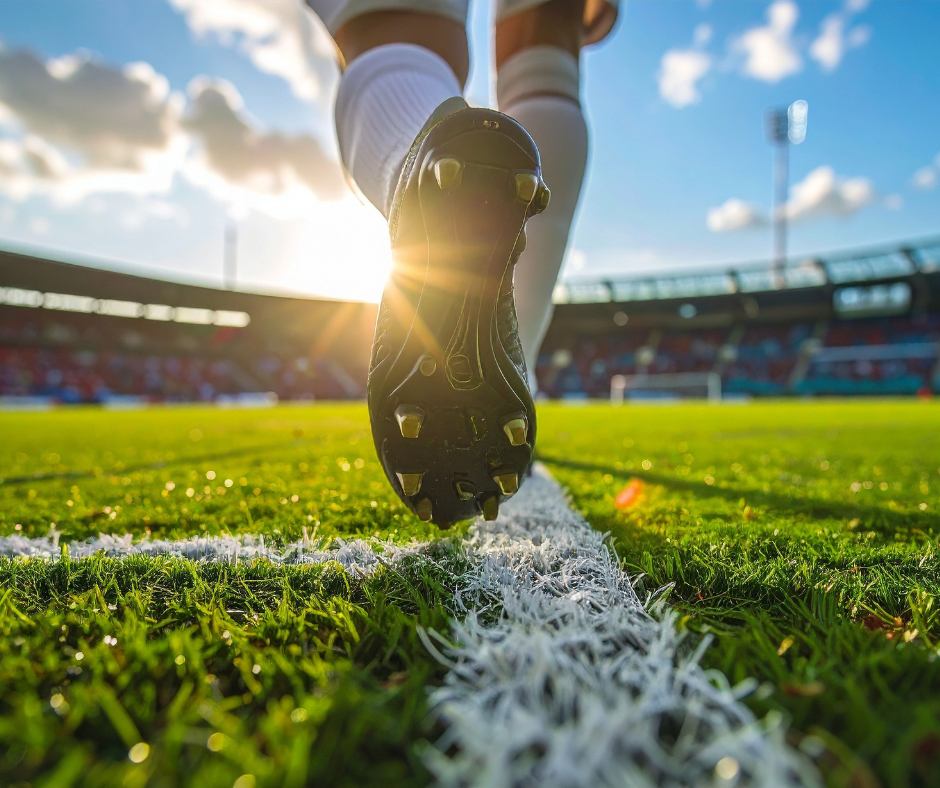
Plantar Fasciitis happens when the tissue running across the bottom of your foot becomes irritated. While it is a universal pain, the reason it flares up depends heavily on the specific sport you are playing. Today, we at Goldsmith Podiatry will explain how certain sports cause plantar fasciitis in different ways.
Running and Repetition
When you run, your feet endure a constant, rhythmic pounding on the pavement. If you are training for a marathon or just logging miles along the westside highway, that repetitive impact of running can cause micro-tears in the tissue.
The danger usually comes from increasing your mileage too quickly or wearing shoes that have lost their structural integrity. And when your arch doesn't have the support it needs to handle the impact, the fascia must pick up the slack at its own expense.
Basketball, Track, and Jumping
If it’s not repetitive stress, it’s high-impact jumping. In a sport like basketball, you are constantly loading, landing, and making lateral pivots. And these explosive movements put tensile stress on the bottom of your feet.
If you are playing on a hard court without adequate cushioning, the force of a hard landing can irritate the attachment point at your heel bone. If you notice your feet aching the morning after a pickup game, it is a sign that the constant springing motion is overtaxing your feet.
Soccer Lack of Support
Then there are support issues. Soccer presents a unique challenge because of the footwear. Cleats are designed for traction and ball feel, but this often means they are incredibly thin and provide almost no arch support.
When you spend ninety minutes sprinting on a firm grass field or artificial turf, your arch is constantly collapsing and rebounding. And without the internal support of a structured shoe, the plantar fascia is forced to work overtime to stabilize your foot during every kick and sprint.
This is why many soccer players feel a deep, throbbing ache in their arches the day after a match.
How to Manage the Tension
The good news is that you do not have to stop playing the sports you love. Most cases of athletic plantar fasciitis we treat at Goldsmith respond well to simple adjustments, like actually taking stretching seriously (which is a huge problem amongst young athletes who want to go) before you play.
However, the most effective fix is often found in your gear.
Using custom orthotics inside your cleats or running shoes can provide the stable base your arch needs.
If your heel or arch pain persists for more than a couple of weeks, a professional evaluation can ensure you are not dealing with a more serious issue like a stress fracture.
If you’re looking for more foot care tips, give us a call at (212) 877-1002 so Dr. Howard Goldsmith, Dr. Rosanna Troia, and Dr. Kristina T. Ruff at Goldsmith Podiatry can help guide you in the right direction.