
Is It Turf Toe? What Fall Athletes Should Know About Big Toe Pain
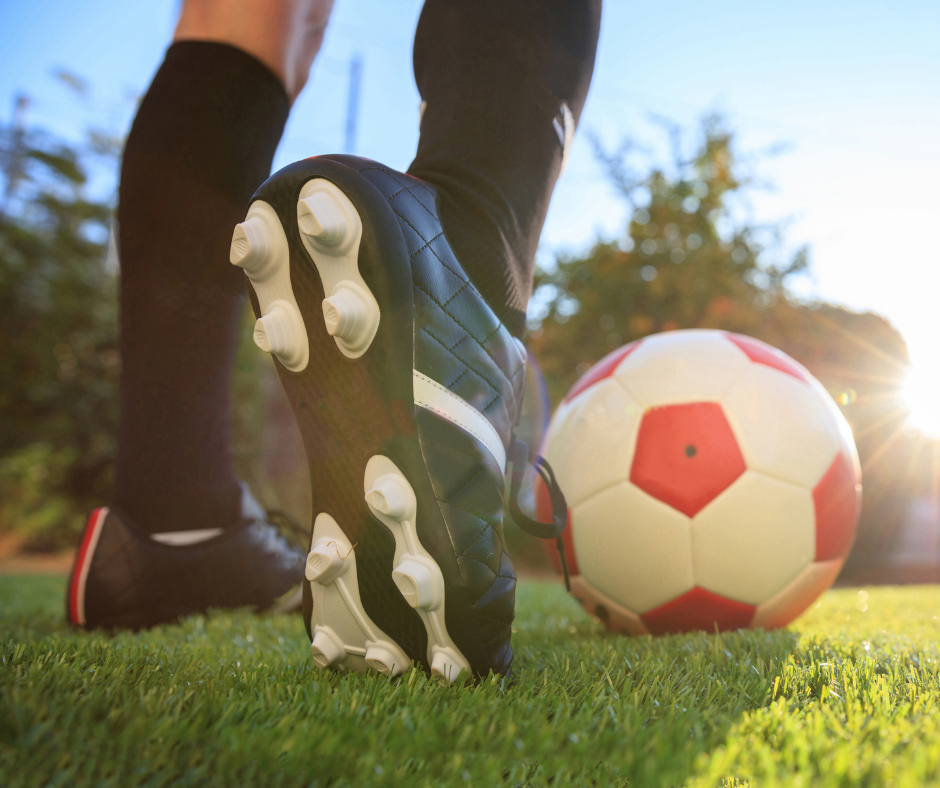
Did your big toe start hurting after a sudden stop, push-off, or awkward step on the field? You could be dealing with turf toe, a sprain of the main joint of the big toe that happens when the toe is forcibly bent upward, stretching or tearing the ligaments and soft tissues that support it.
At Goldsmith Podiatry in Manhattan, we help athletes identify and treat foot and ankle injuries before they become harder to manage.
How Does Turf Toe Happen?
Turf toe commonly occurs when the front of the foot remains planted while the heel rises and another player, a fall, or sudden movement forces the big toe beyond its normal range.
The injury can affect athletes who participate in:
● Football
● Soccer
● Basketball
● Dance
● Wrestling
● Running and other activities involving forceful push-off
Although its name comes from injuries associated with artificial turf, turf toe can happen on any surface. Flexible footwear that allows the toe to bend excessively may also increase stress on the joint.
What Does Turf Toe Feel Like?
Symptoms depend on the severity of the sprain. A mild injury may cause tenderness and stiffness that develop gradually. A more significant injury can cause immediate pain, swelling, bruising, and difficulty pushing off the affected foot.
Athletes may also notice:
● Pain beneath or around the big toe joint
● Reduced movement of the toe
● Weakness while running or jumping
● Difficulty walking normally
● Pain worsens when the toe bends upward
Because fractures and other joint injuries may cause similar symptoms, an accurate diagnosis matters. As discussed in our blog about common foot and ankle injury myths, being able to walk does not necessarily mean an injury is minor.
Can You Keep Playing with Turf Toe?
Continuing to practice or compete can place additional stress on the injured joint and delay healing. Repeated irritation may also contribute to ongoing stiffness, weakness, or pain during push-off.
Treatment may include rest, icing, supportive footwear, taping, immobilization, or temporary activity changes. The appropriate approach depends on how much tissue was damaged. Our guide to using ice or heat for foot pain offers additional information about managing a recent injury.
If big toe pain affects walking or athletic performance, make sure to get it checked out. The podiatrists at Goldsmith Podiatry provide comprehensive foot and ankle care for patients in Manhattan. Schedule an appointment to discuss your concerns so Dr. Howard Goldsmith, Dr. Rosanna Troia, and Dr. Kristina T. Ruff can guide you in the right direction.