
3 Best Spring Training Tips for Foot Health
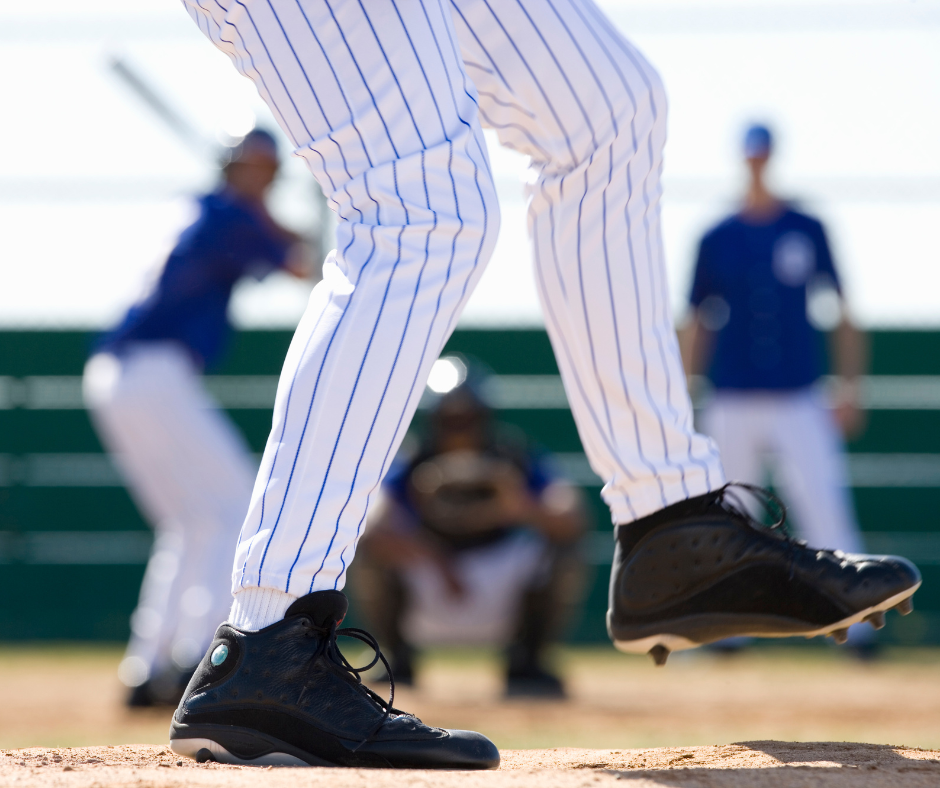
Spring training is not just for the professional baseball players heading to Florida or Arizona. Whether you are dusting off your running shoes for a local 5K or getting back onto the tennis court for the first time in months, your feet are about to take on a lot of new stress. But, let us at Goldsmith Podiatry be the first ones to warn you… After a winter spent in heavy boots and cozy slippers, your feet might not be ready for the high-impact demands of spring sports. If you want to avoid being sidelined by a stress fracture or a case of tendonitis, you need a strategy to build strength and resilience from the ground up.
Progress Gradually
Your cardiovascular system might feel ready to run five miles, but your bones, tendons, and ligaments need more time to adapt to the impact.
You should follow the ten percent rule, which means never increasing your weekly mileage or intensity by more than ten percent at a time. This steady progression allows the structures in your feet to be repaired and grow stronger without reaching a breaking point.
And, if you start feeling a persistent ache that does not go away after a warm-up, that is your body telling you to dial it back before a minor irritation becomes a major injury.
High Quality Spring Performance Gear
Your old sneakers from last year might look okay on the outside, but the internal support structures usually break down after three hundred to five hundred miles of use.
Spring is the perfect time to visit a dedicated running or athletic store for a professional fitting. You need shoes that match your specific arch type and gait. Check out this blog for a guide on choosing the perfect cleats.
And while you’re at it, do not overlook your socks. The right ones prevent the friction that causes blisters and keep your feet dry as the temperatures rise.
Prioritize Recovery
Building strong feet is as much about what you do after your workout as what you do during it. For example, incorporate a regular rolling routine using a tennis ball or a dedicated foot roller to keep the plantar fascia flexible.
And if you notice any swelling or sharp pain, do not try to push through it. Giving yourself an extra rest day now is much better than being forced to take a month off later. And please don’t hesitate to go to your team’s athletic trainer routinely for stretching.
By treating your feet like the high-performance tools they are, you will be able to enjoy every bit of the 2026 spring season. Good luck!
If you’re looking for more foot care tips, give us a call at (212) 877-1002 so Dr. Howard Goldsmith, Dr. Rosanna Troia, and Dr. Kristina T. Ruff at Goldsmith Podiatry can help guide you in the right direction.