
How Foot Problems Can Make One of Your Legs Longer Than the Other
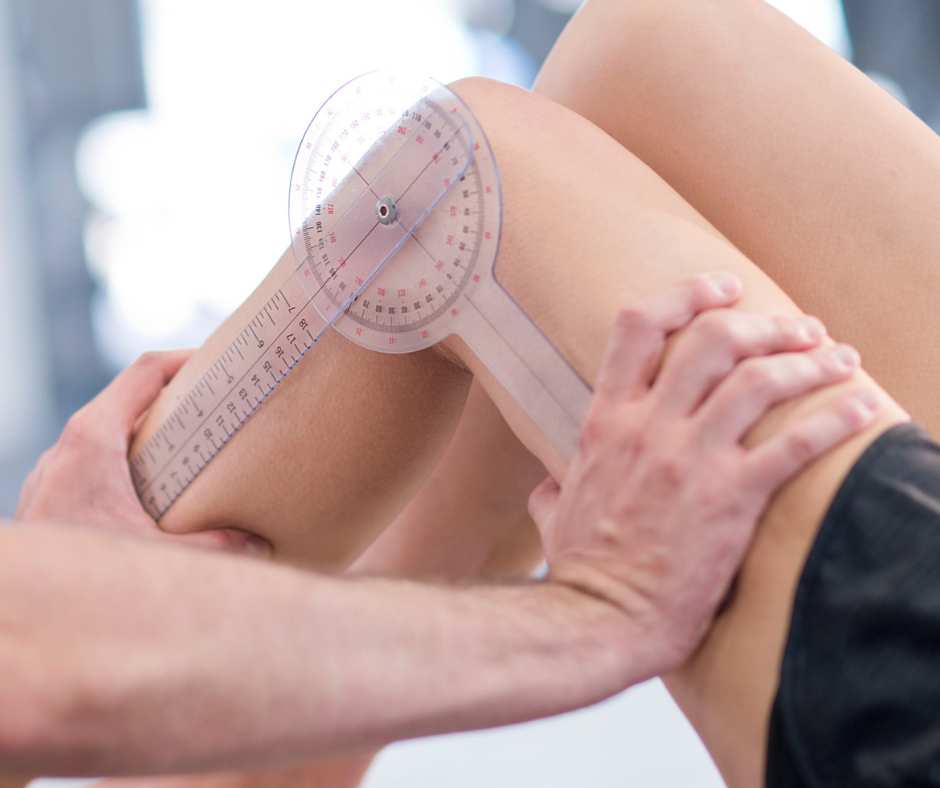
Ever feel like your shoes wear out unevenly, or maybe you constantly shift your weight when standing? What if we told you that one of your legs might be shorter than the other? This is what we at Goldsmith Podiatry call a leg length discrepancy, which can be subtly caused (or caused by) your own foot issues. Let’s go over this two-way street between your feet and your posture.
The Two Types of Leg Length Discrepancy: Real vs. Functional
First, let's clear up the difference. Structural (or true) LLD means the actual bones in one leg are shorter than the other, usually due to a childhood injury or a condition you were born with.
Then there’s Functional LLD, which is more common and often more relevant to podiatry. This is when the legs are equal in length, but something else in your body, like a muscle imbalance, a hip rotation, or a foot arch collapse, makes one leg act shorter than the other.
Foot Problems Caused by Leg Length Discrepancy
When your legs aren't level, your feet become the unsung heroes trying to fix the problem, which often leads to their breakdown.
Overuse on the Long Side: The longer leg has to do extra work. To bring the hip down to meet the ground, the foot on the longer side often overpronates, which puts strain on the arch and triggers plantar fasciitis.
Impact Stress on the Short Side: The shorter leg is always catching up. It hits the ground harder and faster and leads to issues like stress fractures in the foot bones or pain in the forefoot.
Uneven Wear: You’ll see shoes wear out much faster on one side than the other, which is a strong visual clue that your body is compensating for a height difference.
How Foot Problems Cause Leg Length Discrepancy
Here’s the surprising reverse link: your feet can actually create a functional LLD!
If you have one foot with a collapsed arch while the other foot maintains a normal arch, the foot with the flatter arch effectively becomes shorter because it loses its natural height.
This difference in arch height instantly creates an imbalance in your hips and knees and causes all the same problems that a structural LLD would.
A painful bunion can also cause you to subconsciously shift your weight off the painful foot, which could lead to an apparent limb-length difference in your stride.
If you suspect an LLD or notice persistent, uneven pain, don't ignore it. We can perform a gait analysis, assess your foot structure, and determine if the root of your trouble is a simple arch imbalance or a bigger structural issue that can be easily managed with a heel lift or custom orthotics.
If you’re looking for more foot care tips, give us a call at (212) 877 1002 so Dr. Howard Goldsmith, Dr. Rosanna Troia, and Dr. Kristina T. Ruff at Goldsmith Podiatry can help guide you in the right direction.