
The Main Reasons Why Diabetic Wound Care is Critical
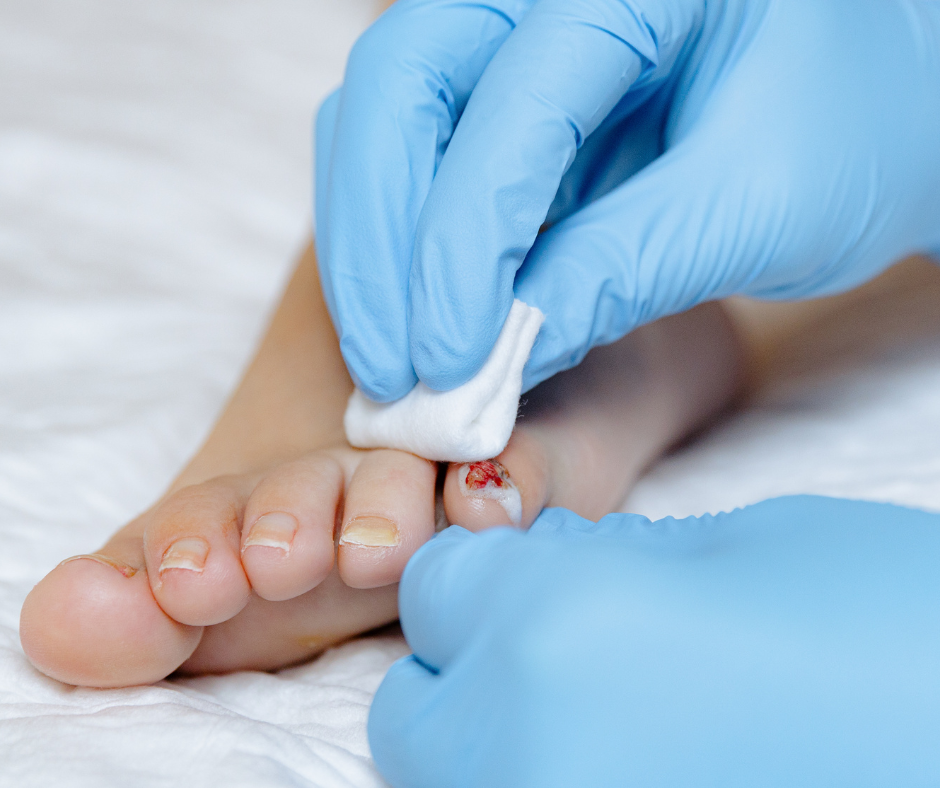
If you are diabetic, understanding how diabetes changes your feet is the first step in staying mobile and healthy. Here is why specialized wound care is a non-negotiable part of your routine, according to us at Goldsmith Podiatry.
Diabetic Neuropathy
Did you know that at least half of all people with diabetes experience peripheral neuropathy? This nerve damage often starts as a tingling sensation but can eventually lead to a total loss of feeling in your feet and ankles. While not feeling pain might sound like a relief, especially when it comes to how many diabetics can relate, it’s dangerous.
If you can’t feel a sharp pebble in your shoe or a hot spot forming on your heel, you might continue to walk on it for hours or even days. This constant pressure can cause blisters and open sores before you even realize anything is wrong.
At Goldsmith, our wound care focuses on spotting these issues before they escalate.
Why Diabetic Wounds Struggle to Heal
But it’s not just that these wounds occur more often. They are also harder to heal.
Diabetes can also lead to peripheral artery disease, which narrows the blood vessels and reduces circulation to your feet. When blood flow is restricted, a small cut stays open much longer than it should.
An open wound is also a gateway for bacteria, and because high blood sugar can weaken your immune response, your body has a harder time fighting off an infection once it starts.
That’s why specialized wound care involves using advanced dressings and treatments that bolster the healing process.
The Importance of Podiatric Wound Care
You might think that putting a bandage on a foot sore is enough, but professional podiatric care goes much deeper. One of the most critical parts of healing a diabetic wound is offloading.
This means using specialized boots, casts, or custom orthotics to take all the pressure off the injured area while you walk. If you keep walking on a wound using normal shoes, it simply won't close.
We at Goldsmith have tools to ensure your wound is protected while you stay as active as possible.
When Should You Seek Help with Diabetic Wounds?
As a rule of thumb, if you see a break in the skin on your foot or ankle, you should contact your podiatrist within 24 hours. You should be especially concerned if you notice:
Redness or warmth spreading away from a cut.
Drainage or an unusual odor on your socks.
If you’re looking for more foot care tips, give us a call at (212) 877-1002 so Dr. Howard Goldsmith, Dr. Rosanna Troia, and Dr. Kristina T. Ruff at Goldsmith Podiatry can help guide you in the right direction.