
How to Manage Foot and Ankle Arthritis Pain
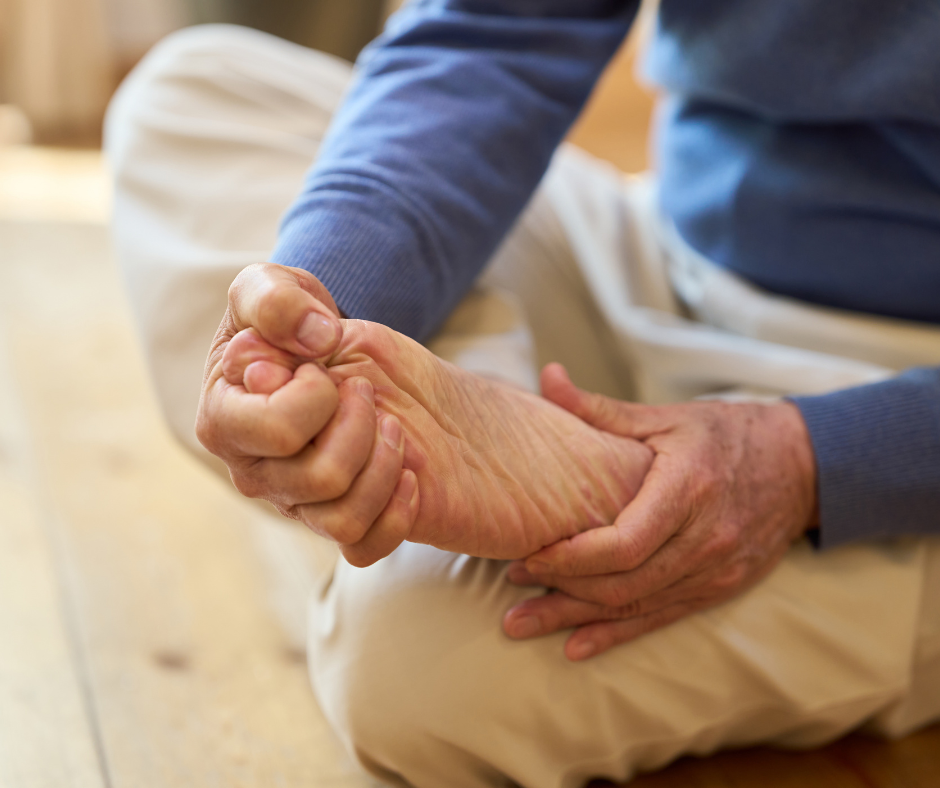
Whether it is osteoarthritis from years of wear and tear, or an inflammatory type like rheumatoid arthritis, the result is the same: the cartilage that cushions your joints is thinning out, and the grinding of your bones makes some steps feel like agony. However, arthritis doesn’t have to be a life sentence of inactivity. Below, we at Goldsmith Podiatry give you some much-needed advice on arthritis pain management.
Use Activity as a Natural Lubricant
It sounds counterintuitive, but one of the best ways to manage arthritis pain is to keep moving. Your joints are like hinges that require internal lubrication to function smoothly. This lubrication, known as synovial fluid, is only produced and circulated when you’re moving your joints.
This is why you should focus on low-impact activities like swimming, cycling, or using an elliptical. These movements allow you to grease the wheels of your ankles and toes without the high-impact pounding of running on concrete.
If you find that you are particularly stiff in the morning, performing gentle ankle circles and toe scrunches before you even get out of bed can help prime the joint for the day ahead.
Support Your Arch with Proper Gear
The mechanics of your foot play a role in how much pressure your arthritic joints endure. If your arches are collapsing, it forces the joints in your midfoot and ankle to crunch together under your body weight.
But you can reduce this stress by wearing supportive footwear and custom orthotics. They act as a structural brace and take your weight away from the damaged joints and onto healthier areas of the foot.
Avoiding flimsy flats and choosing shoes with a stiff sole and a rocker bottom can also help, as they take the work out of walking by helping your foot roll through a stride more naturally.
Eat to Lower Your Internal Temperature
This March, in honor of National Nutrition Month, it is important to remember that your diet is a powerful tool for arthritis management. Chronic joint pain is often fueled by systemic inflammation.
However, by loading your plate with anti-inflammatory foods like salmon, walnuts, and leafy greens, you are taking an internal ice pack for your joints.
Reducing your intake of sugars and seed oils can also help lower the chemical triggers that cause your ankles to swell and throb after a busy weekend.
When to Seek Professional Relief
If your pain has moved from dull to sharp, it might be time for a professional evaluation. From advanced bracing and physical therapy to regenerative medicine and minimally invasive procedures, there are many modern ways to manage arthritis that go beyond just taking a pill.
We look forward to seeing you!
If you’re looking for more foot care tips, give us a call at (212) 877-1002 so Dr. Howard Goldsmith, Dr. Rosanna Troia, and Dr. Kristina T. Ruff at Goldsmith Podiatry can help guide you in the right direction.