
Can Diabetes Cause Changes in Your Toenails?
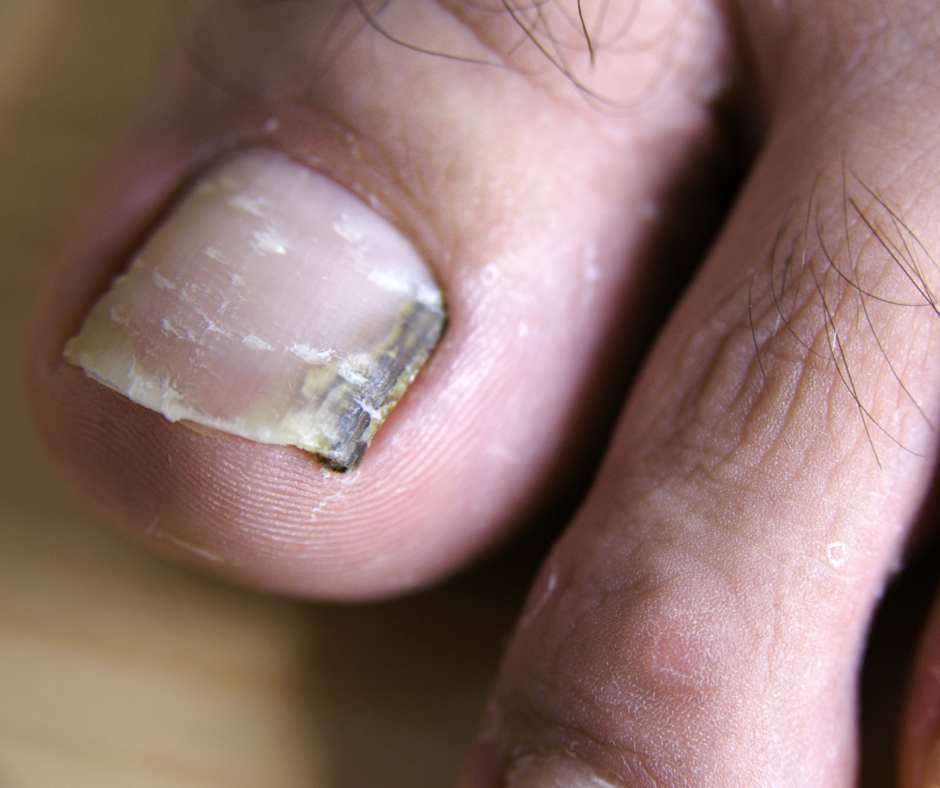
A change in a toenail may seem minor, especially when it is not painful. For people with diabetes, however, thickening, discoloration, slow growth, or changes around the nail deserve attention. Goldsmith Podiatry in Manhattan helps patients with diabetes protect their feet and identify nail problems before complications develop.
Why Can Diabetes Affect the Toenails?
Diabetes may damage the small blood vessels and nerves that supply the feet. Reduced circulation can affect how quickly nails grow and how well nearby skin heals. Neuropathy can also make it harder to feel pressure, cuts, or irritation around a nail.
Toenails may become brittle, thick, ridged, discolored, or slower growing. These changes are not always caused by diabetes, but they should not be ignored when they appear suddenly, affect only one nail, or continue to worsen over time.
Could the Nail Change Be a Fungal Infection?
Toenail fungus may cause yellow, white, or brown discoloration, crumbling, thickening, or separation from the nail bed. Diabetes can increase the risk that a fungal infection becomes more difficult to manage. Goldsmith Podiatry offers laser treatment for fungal toenails when appropriate.
Not every thick or discolored nail is fungal. Repeated pressure from shoes, an old injury, psoriasis, circulation problems, and normal aging can produce similar changes. A proper diagnosis matters before treatment begins.
How Should You Trim Diabetic Toenails?
Trim nails straight across and smooth sharp edges gently with a file. Avoid cutting nails too short, rounding the corners, or digging beneath the nail. These habits can injure the surrounding skin or contribute to an ingrown toenail.
Do not use sharp tools or chemical products to treat a nail problem yourself. Goldsmith Podiatry’s diabetic foot-care guidance explains why even a small injury can become more serious when sensation or circulation is reduced.
When Should You See a Podiatrist?
Check your feet and toenails daily in good lighting. Look at the skin between the toes and use a mirror if you cannot see the bottoms of your feet. Contact a podiatrist if you notice redness, swelling, warmth, drainage, bleeding, an unpleasant odor, or a nail that is lifting from the skin.
If poor vision, limited flexibility, thick nails, or neuropathy makes nail care difficult, professional trimming may be safer. Learn more about common diabetic foot-care myths and facts, or call Goldsmith Podiatry at (212) 877-1002 to schedule an evaluation.