
5 Things to Do After Your Foot Surgery
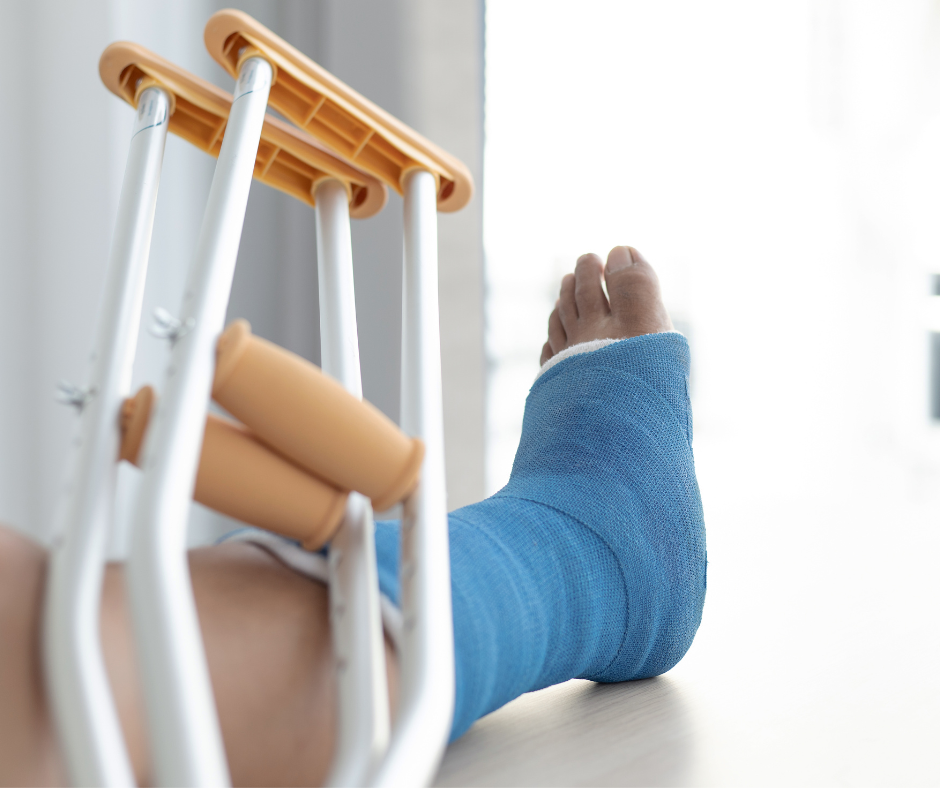
Last week, we at Goldsmith Podiatry went over what to do before your foot surgery. But today, we’ll cover all things post-op. Whether you had a bunion corrected, a fracture repaired, or a tendon reset, the hardest part is technically over. Now, it's all about knowing which steps to take to ensure a smooth recovery.
1. Elevate Your Feet
You’ve probably heard of the RICE method (Rest, Ice, Compression, Elevation), but for foot surgery, elevation is the absolute king. In the first few days, you need to keep your foot above the level of your heart as much as possible, ideally for about 80% of the day.
When your foot is hanging down, gravity causes blood and fluid to pool at the surgical site, which leads to that intense, throbbing pain. By propping your leg up on a stack of pillows so it’s higher than your chest, you’re using gravity to drain that fluid away, which will cut down on swelling and keep your pain levels manageable.
2. Respect the Weight-Bearing Rules
As you start to feel better, it might be tempting to test out your foot. But if we told you to be non-weight-bearing, they mean it. Your bones or tendons are currently held together by internal hardware or delicate stitches that need time to knit back together.
Even one wrong step to reach for the remote can shift a bone or pop a suture. Use your crutches, knee scooter, or walker religiously until you get the green light to start putting pressure down.
3. Keep Your Dressing Bone-Dry
Your surgical bandage or cast is your foot’s first line of defense against infection. If it gets wet, it can trap moisture against your incision.
A professional waterproof cast cover for the shower, trust us, it’s much more reliable than a trash bag and duct tape. If you do notice your bandage getting damp, or if you see an unusual amount of breakthrough bleeding, call us immediately rather than trying to change the dressing yourself.
4. Stay Ahead of the Pain Curve
Don't wait until you are in agony to take your prescribed pain medication. Once that surgical numbing wears off, the pain can come on fast. In the first 48 to 72 hours, it is usually better to stay on a strict schedule with your meds to keep a consistent level of relief in your system. Consult us for exact medication advice.
5. Fuel Your Body for Repair
This is the time to focus on a diet rich in protein, Vitamin C, and Zinc.
Also, stay hydrated! Pain medications can often cause sluggish digestion, so drinking plenty of water and eating fiber-rich fruits and veggies will keep you feeling much more comfortable overall.
If you’re looking for more foot care tips, give us a call at (212) 877-1002 so Dr. Howard Goldsmith, Dr. Rosanna Troia, and Dr. Kristina T. Ruff at Goldsmith Podiatry can help guide you in the right direction.