
Why Your Foot Issues Probably Aren’t Thyroid Related
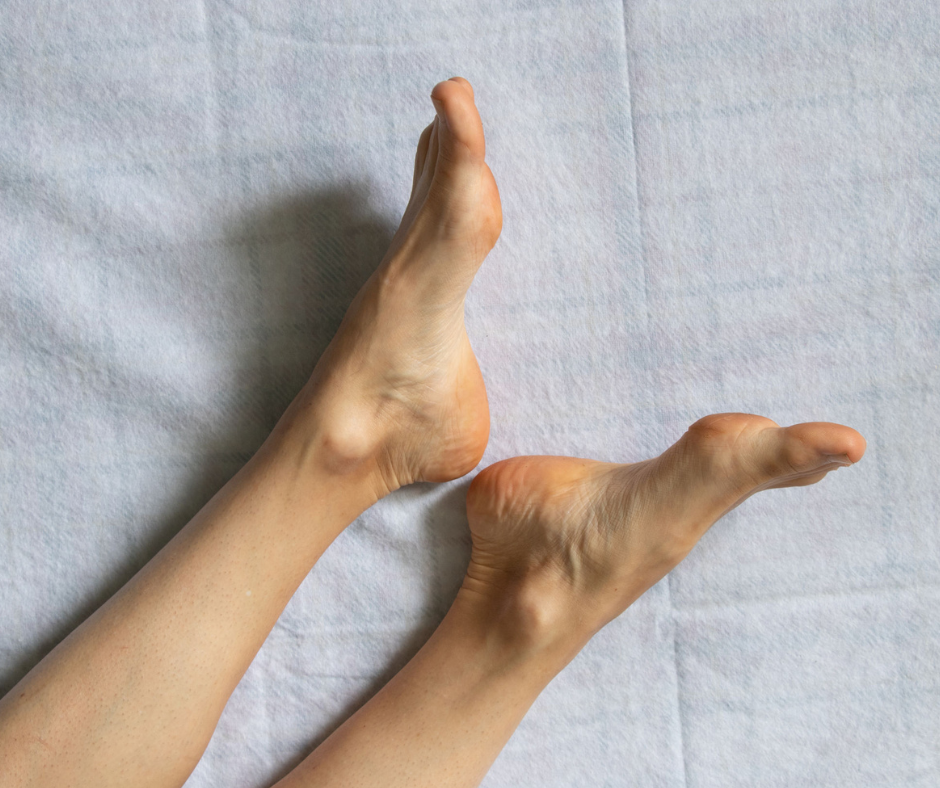
In the age of digital health information, it is very easy to search for a symptom like dry skin or cold feet and find yourself reading about systemic hormonal imbalances. While it is true that the thyroid gland affects nearly every cell in the body, the vast majority of foot problems we encounter at Goldsmith Podiatry are rooted in biomechanics, environment, or lifestyle, rather than a thyroid disorder. It’s National Thyroid Awareness Month, so here’s what to blame before you jump to your thyroid.
Environmental Factors and Dry Skin
One of the most frequent reasons people suspect a thyroid issue is chronic dry skin on the heels. While an underactive thyroid can reduce oil production, the most common cause of cracked heels is actually a combination of friction and footwear.
Sandals, for instance, allow the fat pad of the heel to expand sideways under your weight, which puts pressure on the skin. Over time, this causes the skin to thicken and eventually crack.
Plus, environmental factors like low humidity, hot showers, and using harsh soaps are far more likely to be the cause of your dry feet than a glandular issue.
Circulation and Cold Feet
Many of our patients worry that cold feet are a definitive sign of hypothyroidism. However, the body is naturally designed to prioritize keeping the core warm. If you are naturally thin, have a lower resting heart rate, or live in a colder climate, your body will naturally restrict blood flow to the feet to maintain your internal temperature.
Raynaud’s phenomenon is also a common condition where the small arteries in the toes overreact to cold. This is a much more frequent cause of icy feet than a thyroid condition.
Biomechanics and Nerve Pain
Numbness and tingling are often attributed to thyroid-related neuropathy, but in a podiatric setting, these sensations are usually something else.
Conditions such as Morton’s neuroma or tarsal tunnel syndrome are caused by physical compression of the nerves. This compression usually results from wearing shoes that are too tight or having an abnormal gait that puts excessive pressure on certain parts of the foot.
Unlike systemic nerve issues, these mechanical problems usually only affect one foot or a specific area of the foot.
Podiatric Evaluation for Thyroid Issues
While it is important to stay informed about how systemic health affects your feet, most foot pain and skin changes are localized issues that respond well to standard podiatric care. Proper shoe fit, custom orthotics, and professional skin treatments are usually all that is needed to resolve these symptoms.
However, the only way to truly rule out a thyroid issue is through a professional exam.
If you’re looking for more foot care tips, give us a call at (212) 877-1002 so Dr. Howard Goldsmith, Dr. Rosanna Troia, and Dr. Kristina T. Ruff at Goldsmith Podiatry can help guide you in the right direction.